630-331-9110
2210 Dean Street, Suite K, St. Charles, IL 60175

-

- Home
- Our Firm
- Attorneys
- Practice Areas
- Divorce
- The Divorce Process
- High Asset and High Income Complex Divorce
- Property Division
- Business Owner Concerns in Divorce
- Debt Division
- Spousal Support
- Child Support
- Child Custody & Allocation of Parental Responsibility
- Help for the Stay at Home Parent
- Mediation
- The Cost of Divorce
- Tax Considerations in Divorce
- Cheating and Infidelity
- Post Divorce Decree Modifications
- Post Divorce Decree Enforcement
- Family Law
- Appeals
- Divorce
- Testimonials
- News and Articles
- Divorce Forms
- Blog
- Contact
- Pay Bill
When and Why You Might Appeal a Divorce Decree in Illinois
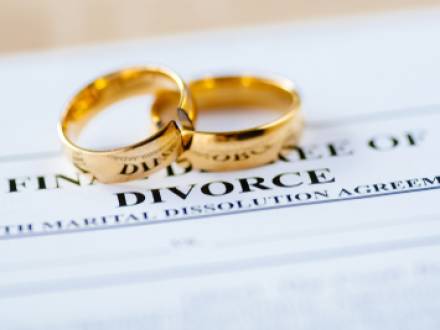 The finalization of a divorce decree in Illinois often brings a sense of closure, but not everyone feels the outcome is fair or just. If you believe the court made an error in your divorce case, you may have the option to appeal the decree.
Appeals are not about retrying the entire case but rather challenging specific legal errors that impacted a decision. A knowledgeable St. Charles, Illinois family lawyer can help you determine whether appealing your divorce decree is appropriate for your situation.
When Can You Appeal a Divorce Decree?
In Illinois, you can appeal a divorce decree if you believe the judge made an error in applying the law or if there were procedural issues that unfairly impacted the outcome of your case. The court must have incorrectly interpreted or applied Illinois family law for an appeal to be considered by an appellate court, the next highest level of courts in Illinois.
For example, if marital assets were not divided according to the principles of equitable distribution (750 ILCS 5/503), this could be challenged. An unfair distribution might happen because critical evidence was excluded or if there was a failure to follow legal procedures. Courts are required to explain the reasoning behind their decisions. If the judge’s findings are insufficient or lack proper justification, this could be grounds for appeal.
In rare cases, if the judge showed bias or made decisions that suggest partiality, an appeal may be warranted.
When Is a Divorce Appeal Likely to Succeed?
An appeal may succeed if the error impacted the outcome of the divorce. For example:
- Misclassification of Property: If the court improperly classified marital property as separate property, this could result in an unfair division of assets. An appellate court might reverse or modify the property division.
- Incorrect Child Support Calculations: If the court miscalculated child support by failing to account for one parent’s income, an appeal could result in a corrected order.
- Improper Custody Decisions: If the judge failed to consider the child’s best interests or ignored crucial evidence, the custody arrangement may be reconsidered.
When Is a Divorce Appeal Unlikely to Succeed?
An appeal is not an opportunity to revisit unfavorable decisions simply because you disagree with them. For instance, judges have broad discretion in areas like spousal support and parenting time. If the judge’s decision was within the bounds of reason, an appellate court is unlikely to overturn it.
Likewise, appeals require strong evidence of a legal or procedural mistake. Without clear proof, your appeal is unlikely to succeed. In Illinois, you must file a notice of appeal within 30 days of the final decree. Missing this deadline typically bars you from appealing.
What Happens if Your Divorce Decree Appeal Succeeds?
If your appeal is successful, the appellate court may send the case back to the original judge for further proceedings, modify the decree, or issue a new decision. However, it is important to note that appeals can be time-consuming and expensive, so they are not the best option for every case.
What Evidence Do You Need to Appeal a Divorce Case?
A divorce appeal is not a new trial. You generally can’t introduce new witnesses, documents, or other evidence that wasn’t presented to the original judge. Instead, the appellate court reviews the record created in the trial court for mistakes or errors.
The record may include:
- The divorce judgment and other court orders
- Motions and responses filed by either spouse
- Financial statements and discovery documents
- Exhibits admitted into evidence
- Transcripts from hearings and the trial
- The judge’s statements explaining the decision
The person filing the appeal is responsible for providing a complete enough record to show that an error occurred. Under Illinois Supreme Court Rules 321, the record should include the court files, exhibits, and transcripts or another approved report of the original case.
How Long Do I Have to Appeal My Illinois Divorce Judgment?
The deadline to appeal an Illinois divorce judgment is usually very short. Under Illinois Supreme Court Rule 303(a)(1), an appeal must be filed within 30 days after the court enters the final judgment.
If either spouse files a post-trial motion, such as a motion asking the judge to reconsider or change the judgment, the 30-day appeal period generally begins when the court enters an order resolving the last pending post-trial motion.
A notice of appeal is the document that begins the appellate process. Missing the deadline can cause the appellate court to reject the case without reviewing whether the divorce judgment was wrong. You should meet with an divorce appeals attorney immediately if you are considering a challenge.
There aren’t any deadlines for an Illinois appellate court to decide a divorce appeal. Many appeals take several months, and complicated cases may take a year or longer.
The timeline depends on how long it takes to:
- Prepare the trial-court record and transcripts
- Submit briefs
- Respond to motions
- Schedule oral arguments, if the court allows
The appellate judges then review the record and issue a written decision.
A divorce appeal may take longer when the case involves a long trial with complicated issues. Filing problems and requests for extensions can also cause delays.
The original divorce judgment usually remains in effect during the appeal unless a court orders otherwise. This means the spouses may still need to follow court orders about property, support, and parenting while waiting for the appeals decision.
Contact a St. Charles, IL Family Lawyer for Divorce Settlement Appeals
If you believe your divorce decree contains legal errors, a Kane County, IL divorce lawyer at Weiler & Associates, P.C. can help you evaluate your options and guide you through the appeals process. With the right legal support, you can ensure your rights are protected. Call 630-331-9110 today to schedule a consultation and learn how we can help.





 2210 Dean Street, Suite K


Contact Our Firm
 The use of the Internet or this form for communication with the firm or any individual member of the firm does not establish an attorney-client relationship. Confidential or time-sensitive information should not be sent through this form.
I have read and understand the Disclaimer and Privacy Policy.